
Every 40 seconds: that’s how often someone in the United States has a stroke. And it’s not uncommon for many of these patients to experience impaired functionality for the rest of their lives. But now, thanks to the latest technology, could something that seems straight out of a science-fiction novel like brain-computer interfaces help us improve the aftereffects of a stroke? Joining Dr. David Weisman to discuss his research that sought to address that exact question is Dr. Mijail Serruya.
advertisement
The Future of Restoring Functionality in Stroke Survivors
Share
Save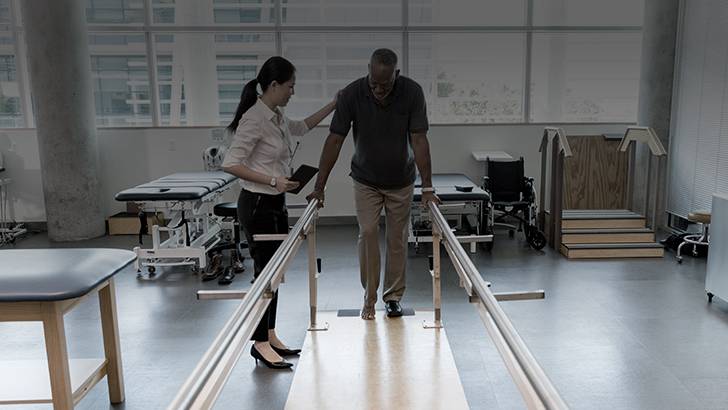
Restart
Resume
Share this program on:
Choose a format
Completing the pre-test is required to access this content.
Completing the pre-survey is required to view this content.
Ready to Claim Your Credits?
You have attempts to pass this post-test. Take your time and review carefully before submitting.
Good luck!
Details
Presenters

Recommended
Details
Presenters
Overview
Every 40 seconds: that’s how often someone in the United States has a stroke. And it’s not uncommon for many of these patients to experience impaired functionality for the rest of their lives. But now, thanks to the latest technology, could something that seems straight out of a science-fiction novel like brain-computer interfaces help us improve the aftereffects of a stroke? Joining Dr. David Weisman to discuss his research that sought to address that exact question is Dr. Mijail Serruya.
Title
Program Chapters
Segment Chapters
Playlist:
advertisement
Recommended
Register
We’re glad to see you’re enjoying ReachMD…
but how about a more personalized experience?